A Smarter Way to Turn Social Posts Into Search Traffic
Explain how high-performing social content can reveal topics, questions, and phrasing worth expanding into SEO-friendly articles. This creates a fresh bridge between social media marketing and content creation strategy.

Turn Social Media Posts Into SEO Articles That Rank
TL;DR: High-performing social posts reveal what your audience cares about and how they phrase questions. By analyzing comments and shares, you identify topics worth expanding into SEO-friendly articles. This strategy reduces guesswork, captures authentic user intent, and helps content rank in both social platforms and traditional search engines for a dual-channel traffic approach.
Key Takeaways
- Social engagement reveals authentic long-tail keywords that traditional SEO tools miss
- Top-performing posts act as free tests for content topics before investing in full articles
- Expanding social winners into long articles captures the exact language your audience uses
- Cross-linking social posts and website content creates a reliable traffic loop
- AI search engines prioritize content that answers real user questions found in social comments
You spend hours researching blog topics only to publish articles that barely get traffic. Meanwhile, a simple Instagram post you wrote in ten minutes gets hundreds of engaged comments. Brands often treat social media and SEO as entirely separate channels. This disconnect wastes time and leaves valuable data on the table.
The smartest marketers in 2026 know how to turn social posts into search traffic. High-performing social content is a goldmine of SEO intelligence. Platforms like TikTok and Instagram now function as search engines themselves. Every piece of content you post acts as a real-time test of audience interest. We'll explore a practical framework to bridge these channels and create articles that people actually want to read.
Why does social engagement matter for SEO strategy?
Younger internet users don't start their research on traditional search engines. According to internal Google data from 2022, nearly 40% of Gen Z users search TikTok or Instagram before Google. This platform shift has only accelerated through 2026.
Social platforms provide real-time data that traditional keyword tools can't capture. Standard keyword research shows search volume. Social engagement shows emotion and urgency. You can treat social listening as keyword research. Every comment section serves as a micro-focus group for your brand.
This approach gives you a massive authenticity advantage. Social posts reveal the exact phrasing people use instead of sanitized search terms. According to the Sprout Social Index 2025, 51% of users discover new brands through social media search functions.

Marketer connecting social media engagement data to SEO strategy
AI search engines like ChatGPT and Perplexity prioritize conversational content. Social comments naturally provide the natural-language formatting these AI agents look for. Understanding why this matters is the first step. Next, we need to look at how to pick the right posts to expand.
How do you identify which social posts to turn into articles?
How do you look beyond vanity metrics?
Likes don't always indicate genuine interest. Prioritize comments, shares, and saves. Posts with twenty or more comments asking follow-up questions are prime candidates for expansion.
Calculate your engagement quality. A formula of comments plus shares plus saves divided by followers gives a true picture of audience interest.
What is the question density test?
Audit your top five posts from the past month. Count how many comments are actual questions. High question density indicates high search intent. If a post about video editing gets fifteen questions about specific tools and workflows, you've found a strong signal.
How do you identify recurring themes across posts?
One viral post might be a fluke. Three posts on similar topics prove consistent audience interest. Platforms like Repostra.app can help identify patterns in your content performance quickly. Track these themes in a simple spreadsheet noting the topic, engagement, and common phrases.
Why watch for surprise performers?
Sometimes a casual post outperforms your heavily planned content. Lean into these surprises. Unexpected winners often reveal customer pain points you hadn't considered.
What should you look for in the comments section?
Where do you find long-tail keywords?
Comments contain the exact phrases people type into search engines. Someone might write "how to repurpose one video into a week of content" instead of just "content marketing". Take screenshots of the most specific questions to guide your writing.
How do you identify knowledge gaps?
Look for what people find confusing. What details do they feel are missing? These knowledge gaps easily become the major sections of your upcoming article.
Why note the language and tone?
Pay attention to how your audience speaks. Do they use formal or casual language? They might use industry jargon or plain English. Your article should mirror their language for maximum resonance.
How do you spot related questions?
One post about video editing will likely surface questions about pricing and time management. Each related question can become a specific section or an entirely separate article. Build a question bank for future content planning.
"The comment section is where your audience tells you exactly what content to create next. It's the most underutilized research tool in marketing."
— Amanda Natividad, VP of Marketing at SparkToro
How do you expand a social post into an SEO article?
Start with the social post as your introduction. Your original post already resonated with your audience. Expand that initial hook from a few sentences into a complete introduction. Keep the conversational tone intact.
Structure the article around the questions you found. Make each major question from the comments a separate section heading. Answer them thoroughly. Use the commenter's exact phrasing in subheadings when possible.
Add depth and authority to your answers. Social posts are naturally surface-level, but articles need substance. Include statistics, case studies, and step-by-step instructions. According to a Search Engine Journal study from 2023, articles over 1,500 words tend to attract more backlinks than shorter content.
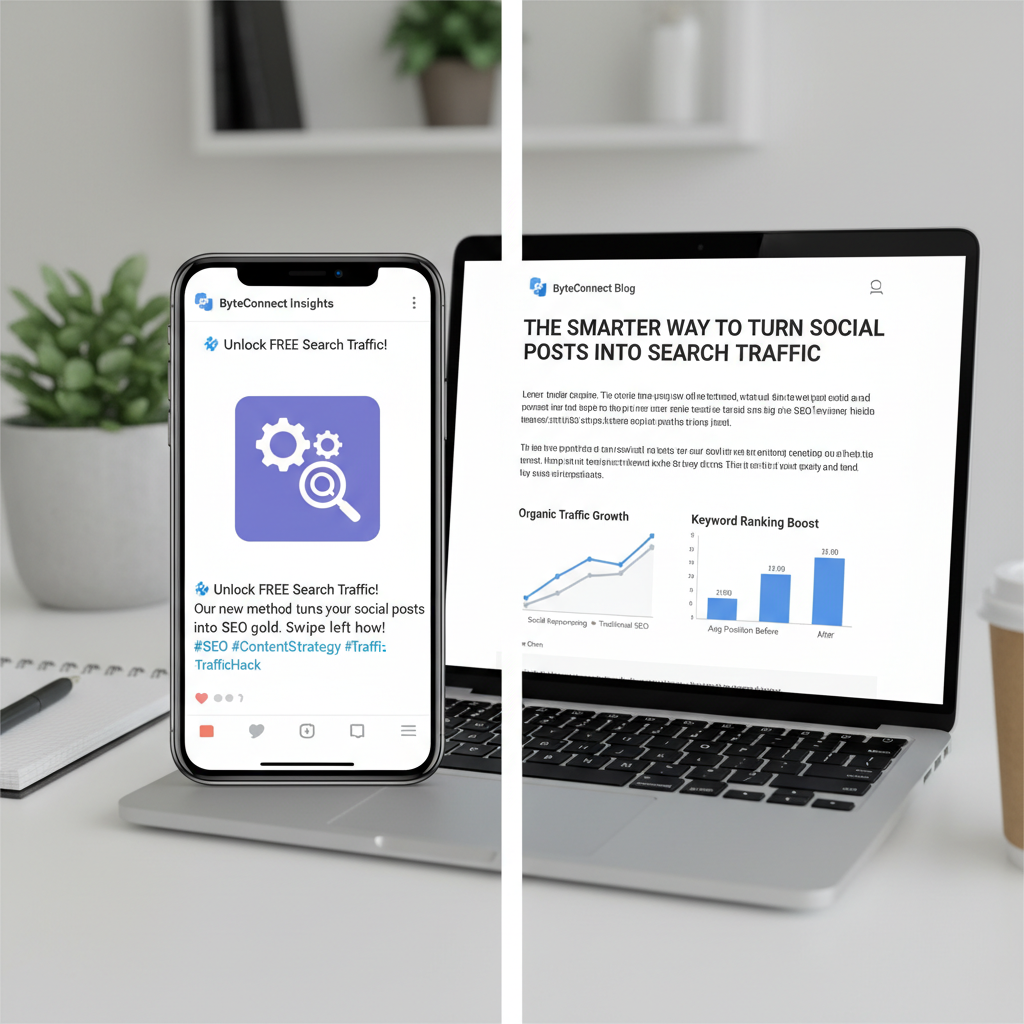
Transforming a short social post into a comprehensive SEO article
Optimize the content for search engines. Use the primary keyword in your title, first paragraph, and meta description. Keep the language natural to maintain a human voice. AI overviews prefer content that sounds like a knowledgeable friend explaining something.
| Social Post Element | Article Enhancement |
| :--- | :--- |
| Hook | Expanded intro of 200 words |
| Main tip | Detailed how-to section |
| Comment questions | Headings with complete answers |
| Brief example | Full case study with data |
Add visual assets. If your original post was a short-form video, transcribe it and use it as a core section. Include relevant screenshots with descriptive text.
How do you drive traffic between social posts and articles?
Where should you link back to the original post?
Add a callout box in your article mentioning the original inspiration. This drives traffic back to your social profile and increases engagement signals. It also builds a strong sense of community.
How do you promote the article on the original post?
Pin a comment with the new article link. Update your original caption if the platform allows it. Create a simple follow-up post announcing that you answered their questions in a full guide.
When should you create teaser content?
Pull three key insights from the new article into fresh social posts. Each new post should link to the full article. Reformat these insights as a carousel for Instagram or a short video for TikTok.
How does email newsletter integration work?
Feature the newly published article in your next newsletter. Mention clearly that community questions inspired the topic. This reinforces that you listen to your audience and respond to their needs.
What makes this strategy work in 2026?
Why does the rise of AI search matter?
Tools like Google AI Overviews prioritize content that directly answers specific questions. Your comment-derived sections perfectly match the natural-language queries these systems look for. According to a Forrester Research report from 2024, AI-powered search tools are rapidly changing how people discover content online.
Do social platforms act as search engines?
TikTok, Pinterest, and Instagram function as primary search tools for younger demographics. Optimizing for social search and traditional SEO ensures dual visibility. Your brand will appear in both ecosystems simultaneously.

The bridge between social media algorithms and search engine optimization
What is the authenticity imperative?
Humanizing brands is a top priority right now. Content originating from real conversations feels naturally authentic. Platforms reward content that sparks genuine discussion among users.
How does first-party data give you an advantage?
Third-party cookies are disappearing. Your own social engagement data is incredibly valuable. You gain direct insight into customer language and pain points without needing expensive third-party tools.
What are common mistakes to avoid?
Copying the post verbatim kills your opportunity. Social posts are teasers. Articles require depth and expanded context. You must expand the original thought rather than just repeating it.
Ignoring the reason behind engagement wastes your effort. High likes don't equal high search intent. Focus on why people engaged in the first place. Pay attention to specific questions and saves.
Over-optimizing for bots ruins readability. Keyword stuffing makes content sound robotic. AI search systems prioritize natural, helpful content. Write for human readers first and bots second.
Waiting too long to publish loses momentum. Social posts have a very short shelf life. Expand trending posts within two weeks while the audience's interest is high. Strike while the iron is hot.
How can you scale this strategy?
How do you create a monthly audit process?
Review your top ten posts at the end of each month. Score them by engagement quality based on shares and saves. Select the top two or three to expand into full articles.
How do you build a content repurposing workflow?
Save a successful post to your content bank within 24 hours. Analyze the comments within one week. Assign the article creation and publish it within three weeks. Cross-promote the new piece immediately.
Why use automation tools?
Tools like Repostra.app can streamline the entire repurposing process. They automatically identify high-performing social snippets and suggest expansion opportunities. You can use analytics dashboards to track exactly which articles came from social posts.
When should you expand to video and podcasts?
Top-performing articles can become video scripts. The cycle moves from a social post to an article, then to a video, and back to new social posts. According to the Content Marketing Institute 2023 research, brands that systematize content repurposing can publish significantly more content with the same resources.
FAQ
How long should I wait to see if a social post is worth expanding?
Give a post seven to fourteen days for engagement to mature. Algorithms often distribute content slowly. If a post receives fifteen meaningful comments within 48 hours, start planning your article immediately.
Can this strategy work for B2B brands with smaller social audiences?
Absolutely. B2B engagement is highly targeted. Twenty engaged comments from your ideal B2B customers are more valuable than a thousand likes from a general audience. Focus on the quality of the questions rather than the raw volume of comments.
Do I need to quote the exact commenters in my article?
You don't need to name specific users unless you have their permission. You should use their exact phrasing for your headings. Anonymize the questions to protect privacy while keeping the valuable SEO keywords intact.
Will Google penalize me for duplicate content?
No. Search engines understand that brands publish across multiple channels. Expanding a short social post into a comprehensive article adds significant new value. Google rewards content that fully answers a user's search intent.
How do I handle a viral post unrelated to my product?
Not every viral post makes a good article. If the topic doesn't align with your business goals, don't expand it. Focus only on high-engagement posts that naturally connect back to the services or products you offer.